
Customized Excellence
Advanced Medical Extrusions
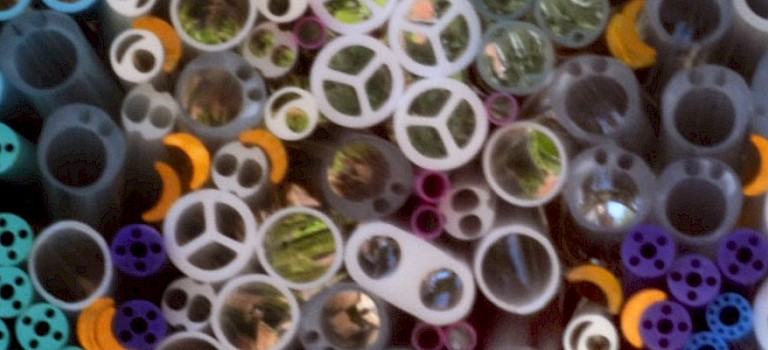



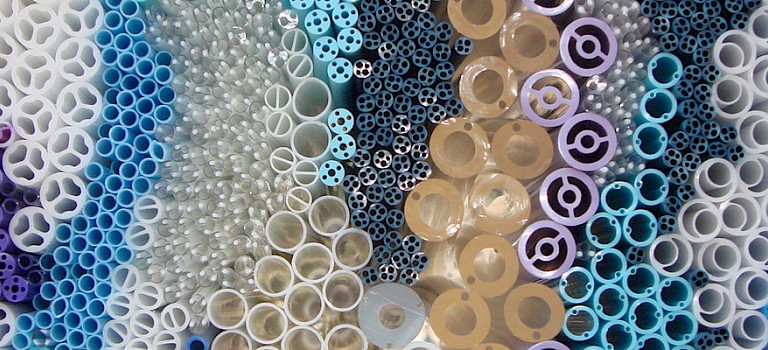



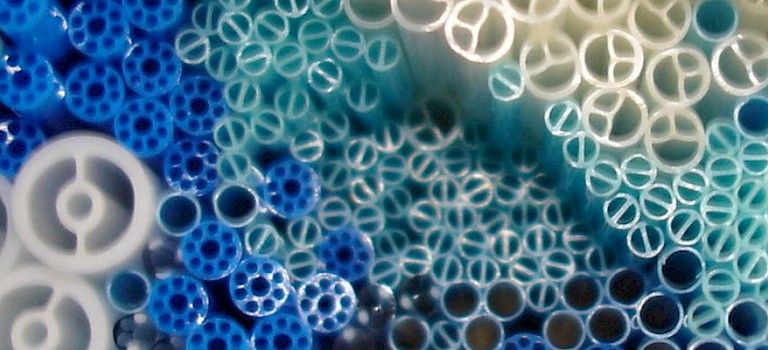



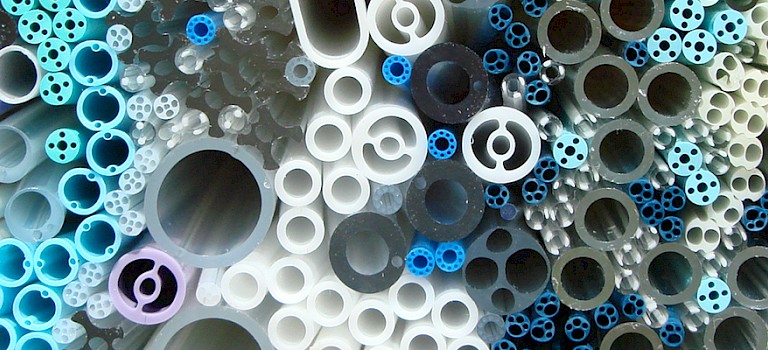



When you need custom medical parts, you need a company with expertise in extrusion materials, processing, and tool design and fabrication-someone who can translate your vision into a precision extruded part.
Microspec has earned a worldwide reputation for extruding and developing some of the most advanced and challenging medical parts in the industry. It is noteworthy that our experience in extruding medical grade polyurethanes and nylons may be unmatched throughout the world. Microspec’s background with medical thermoplastics does not end there. We are also a pioneer in extrusion of high heat engineering plastics, such as PEEK, PEI, and Polysulfone, and in thermoplastic fluoropolymers, such as FEP, EFEP, AND PFA.
Whether your part is co-extruded or not, or made from a custom compound, you can count on Microspec’s experience and expertise to deliver high quality and precision extruded parts every time.